Render Lintels

4 products

    4 products

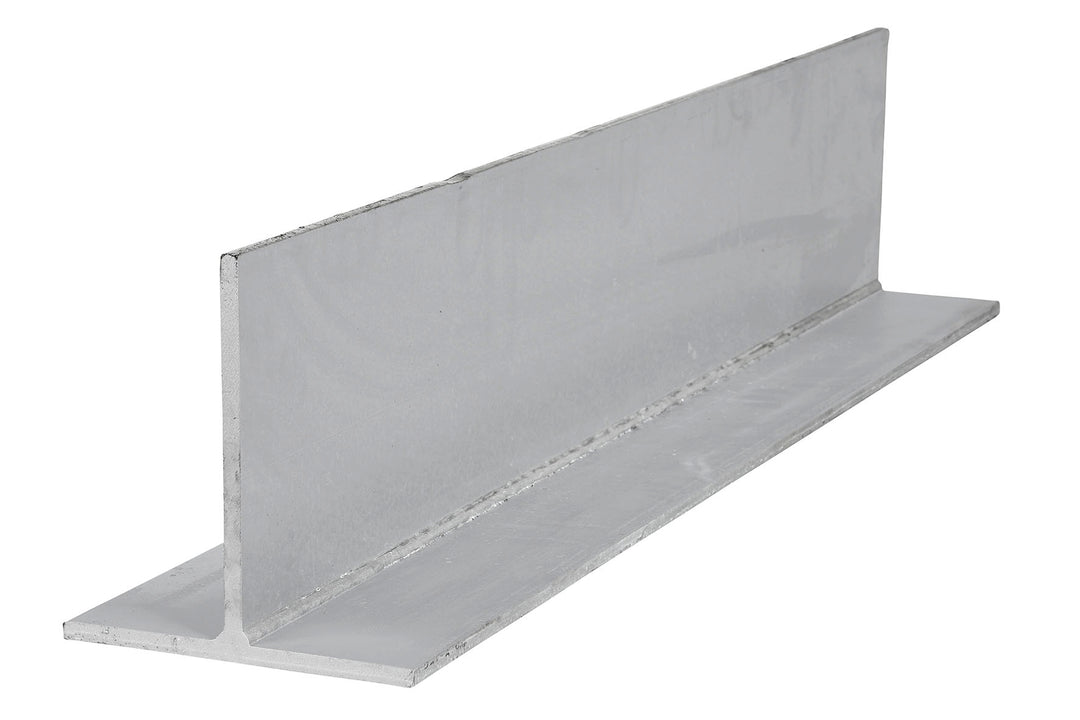
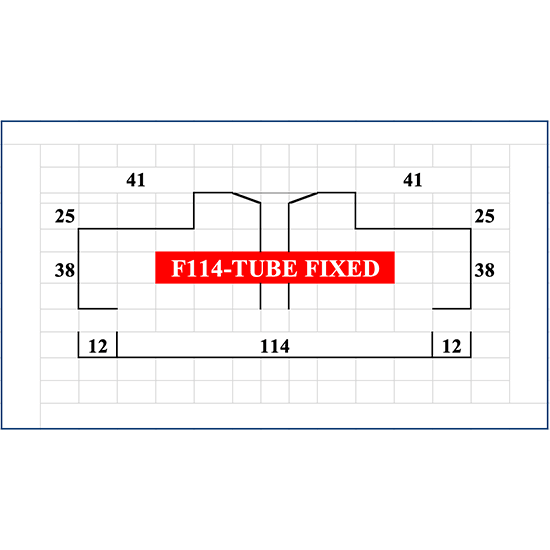
    Designed for clean architectural façade details, (R-Bars) Render Lintels feature a unique profile with integrated apertures (holes). Unlike traditional face-brick angles, these steel lintels allow the render or plaster to "key" directly into the steel through the perforated slots, creating a high-strength mechanical bond. This eliminates the need for expanded mesh or additional on-site preparation.

    For projects requiring an alternative to perforated steel, Concrete Lintels are also available. Manufactured from high-strength concrete, they provide a durable, corrosion-resistant option suited to render-finished masonry walls and harsh marine or industrial environments. Their coarse surface profile naturally promotes strong adhesion of render or plaster finishes.

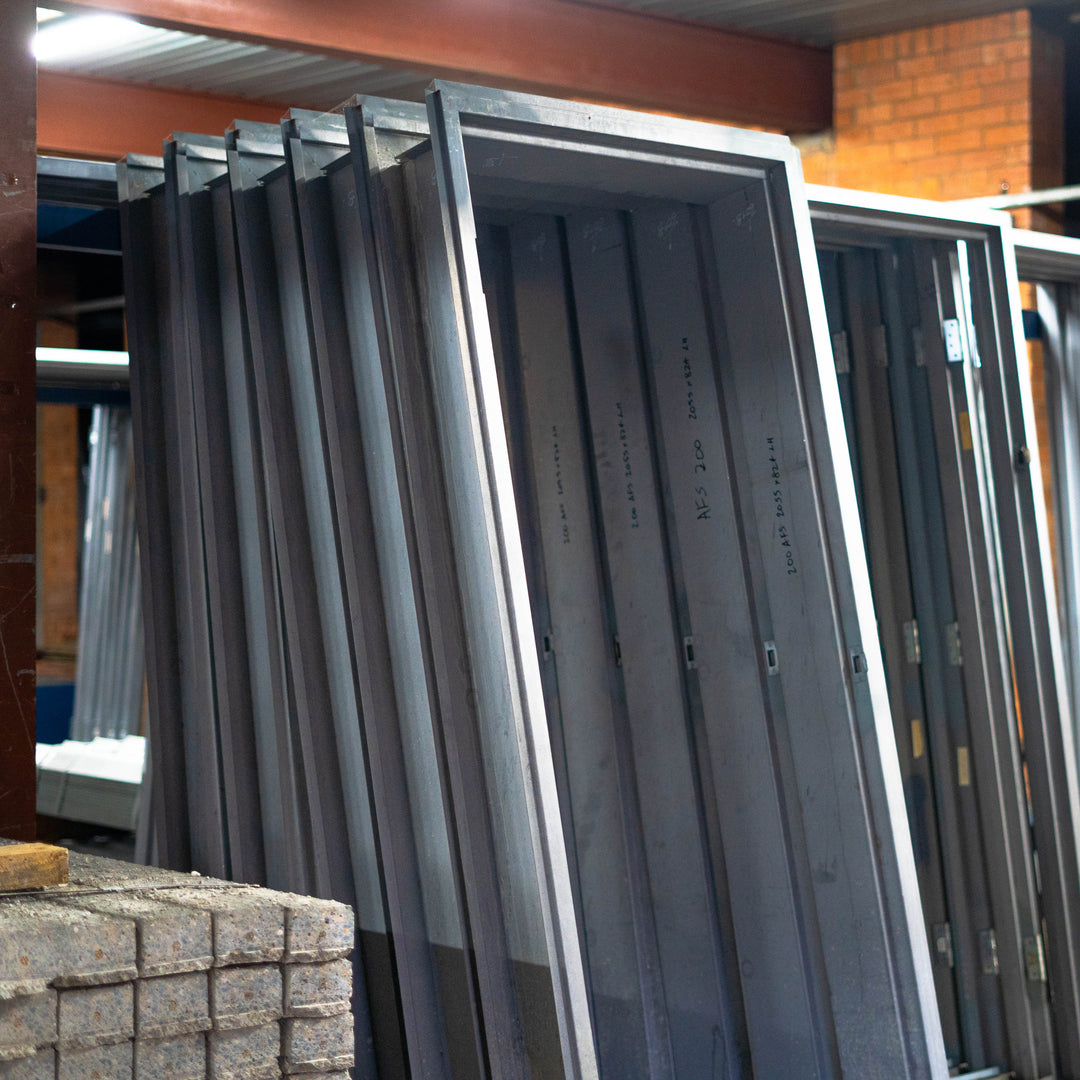
    At Vincent Buda and Company, our steel R-Bars are Hot-Dip Galvanised to achieve an R3 Durability Rating, providing lasting performance even behind a plaster finish. Concrete lintels provide inherent corrosion resistance and are particularly suited to marine and industrial environments. Available for same day or next day delivery within Sydney Metro.

    Four Primary Applications:

    Modern Rendered Facades: Achieving a seamless, "hidden" lintel look on contemporary residential homes.
    Internal Plastered Openings: Supporting masonry above internal doorways that require a smooth plaster finish.
    Rendered Masonry Walls: Structural support for single-skin brickwork finished with cement render or acrylic render systems.
    High-Corrosion Coastal Areas: Using R3-rated galvanised steel or concrete lintels to prevent rust-jacking behind the render.

    Resources

    All Product Flyer

    Downloadable PDF

    All Product Flyer

    View Resource
    Galvanised Product Care Guide

    Downloadable PDF

    Galvanised Product Care Guide

    View Resource
    Lintels & T-Bars Flyer

    Downloadable PDF

    Lintels & T-Bars Flyer

    View Resource
    Lintels Load Tables

    Downloadable PDF

    Lintels Load Tables

    View Resource

    FREQUENTLY ASKED QUESTIONS

    Yes, steel R-Bars are engineered for versatility. Their perforated profile is designed to accommodate standard render depths (typically 6mm to 10mm). Concrete lintels can also be worked with to accommodate your required render thicknesses.
    Yes — movement must always be allowed for in masonry construction. Control joints (including slip joints where specified) should be installed in accordance with engineering and masonry guidelines, particularly on longer spans. Steel lintels are subject to thermal expansion, and masonry itself moves over time. Allowing for controlled movement helps prevent stress cracking in the render and surrounding brickwork at the lintel interface.
    For steel R-Bars, no — that is the primary technical advantage. Our Render Bars feature pre-punched holes that act as a mechanical key. The render flows into these apertures, locking the plaster to the steel and removing the risk of mesh pulling away over time. For concrete lintels, mesh is typically not required due to the naturally coarse surface, however installation should follow project specifications.
    Yes. According to AS2699.3, an R3 rating (achieved via Hot-Dip Galvanising) is the technical standard required for built-in steel components to ensure they do not corrode and cause rust-burst through the render, which can be an expensive repair on a finished facade. Concrete lintels provide inherent corrosion resistance and are suitable for marine and industrial environments as they are R4-rated.
    Recently viewed